Planning4 min read
The Case for Traveling in Shoulder Season
Better weather than you expect, fewer people, and often better service. Why the edges of the calendar are worth a look.
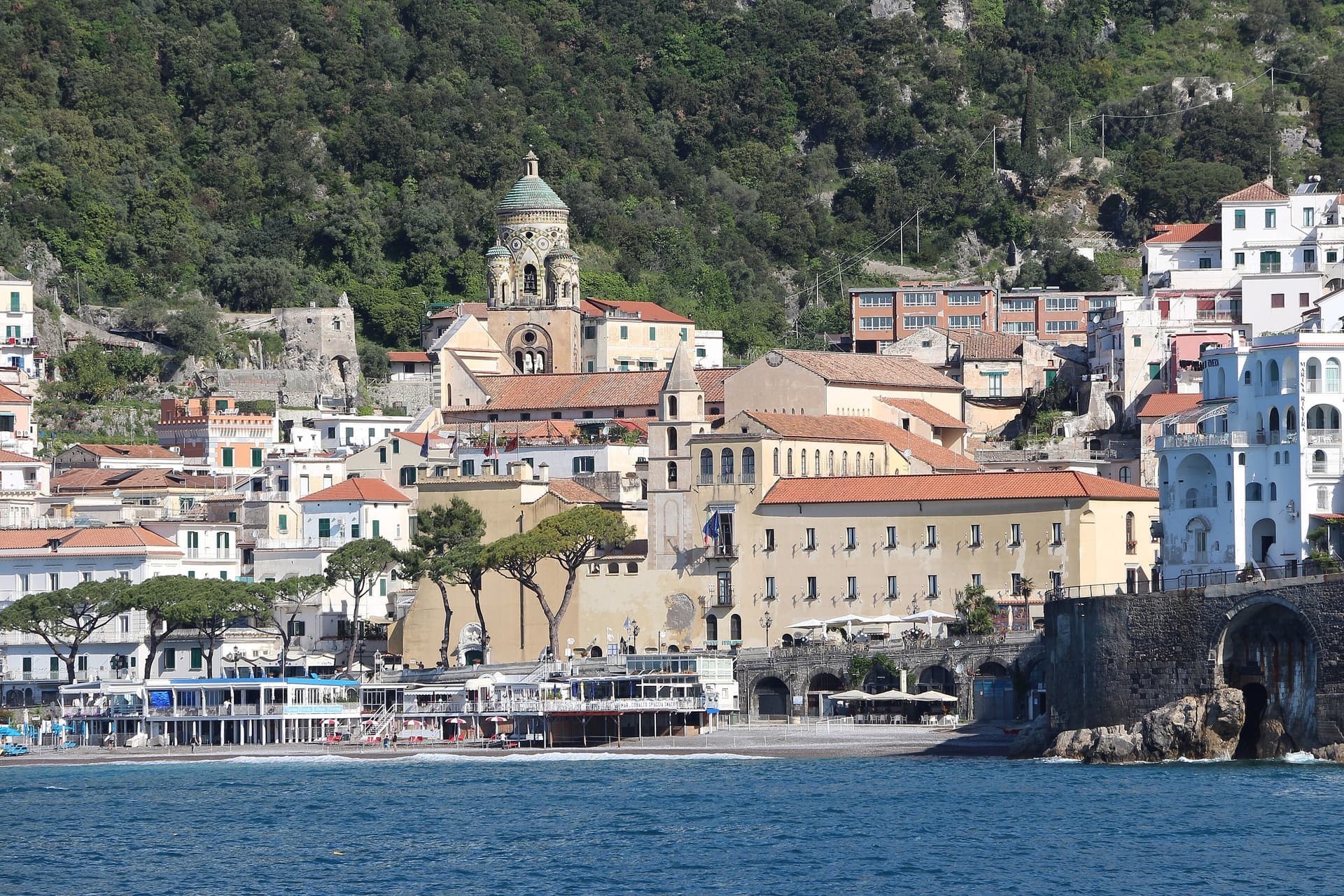
The best time to visit a place is often the two weeks either side of the time everyone else goes. Shoulder season is when the weather is still good, the crowds are thinner, and the people who work in travel have time to talk.
What you gain
Hotels have space to give you a better room. Guides are less rushed. Restaurants can seat you without a two week wait. You also see a place doing what it does when it is not performing for visitors.
What you trade
The weather is a little less predictable. A few seasonal restaurants and boat operators may be closed. For most people the trade is well worth it, but it is a trade, and we will tell you plainly what it is.
Where it works best
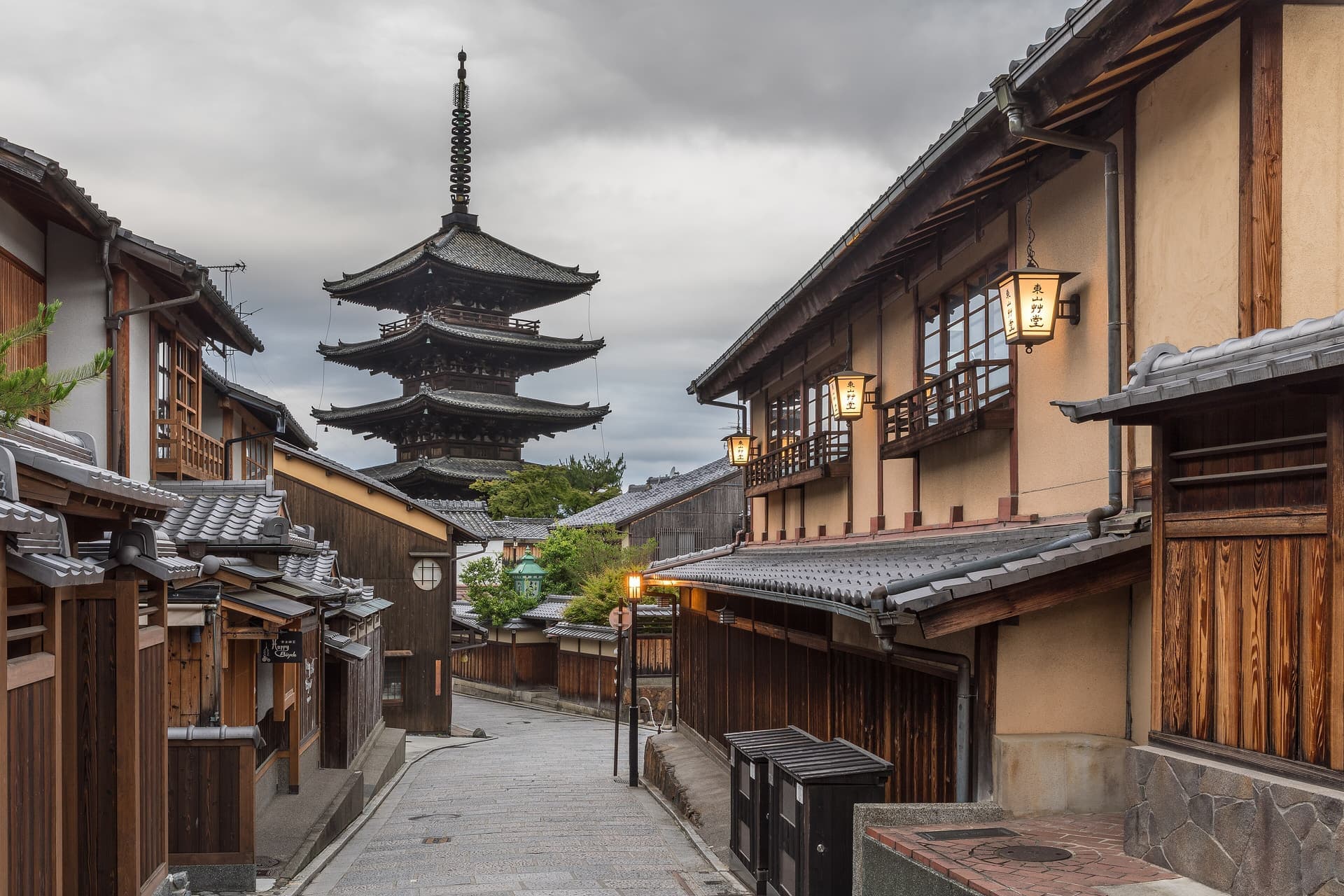
Italy in late May or late September. Japan in early November or early April, avoiding peak blossom weeks. Bali at the start or end of the dry season. In each place the edges of the calendar are quieter and still bright.
How to plan it
Tell us your dates and how flexible they are. Even a week of flexibility can change a trip. The planning questionnaire has a flexible dates option for exactly this reason.
Fictional editorial content written for a portfolio project.