AURA
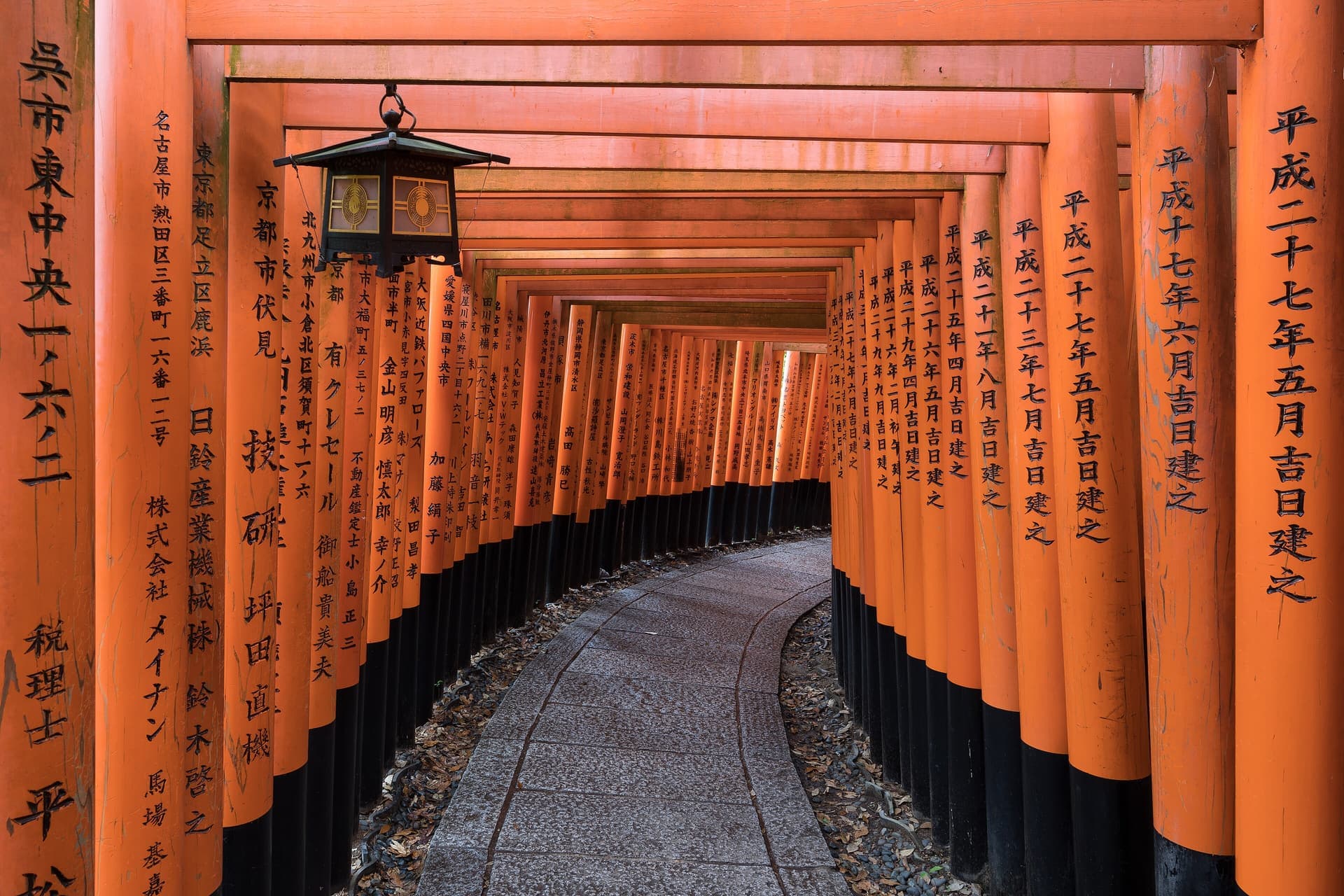
A curving path lined with vermilion torii gates and a hanging lantern at Fushimi Inari shrine, Kyoto

JapanAsia

Japan

Fushimi Inari, Kyoto35.0116° N, 135.7681° ECulture · Food · Design

01Why visit

Tokyo to Kyoto, designed around food, culture, and slow exploration.

Japan rewards the traveler who slows down. We pair Tokyo's neighborhood energy with Kyoto's quiet lanes and a night in the mountains at Hakone, then leave space for the things you cannot schedule: a counter seat that opens up, a shrine at closing time, a tea house that only takes six guests.

02Best time to visit

Late March to early April for blossom, and October to November for autumn color. Summer is hot and humid; winter is quiet, clear, and good for onsen.

03Experiences

What you can expect.

Food
Counter sushi, a night in the izakaya alleys, and a morning market walk with someone who knows the vendors by name.
Culture
A private tea lesson in Kyoto, temple visits timed for the quiet hours, and a craft studio you would not find alone.
Nature
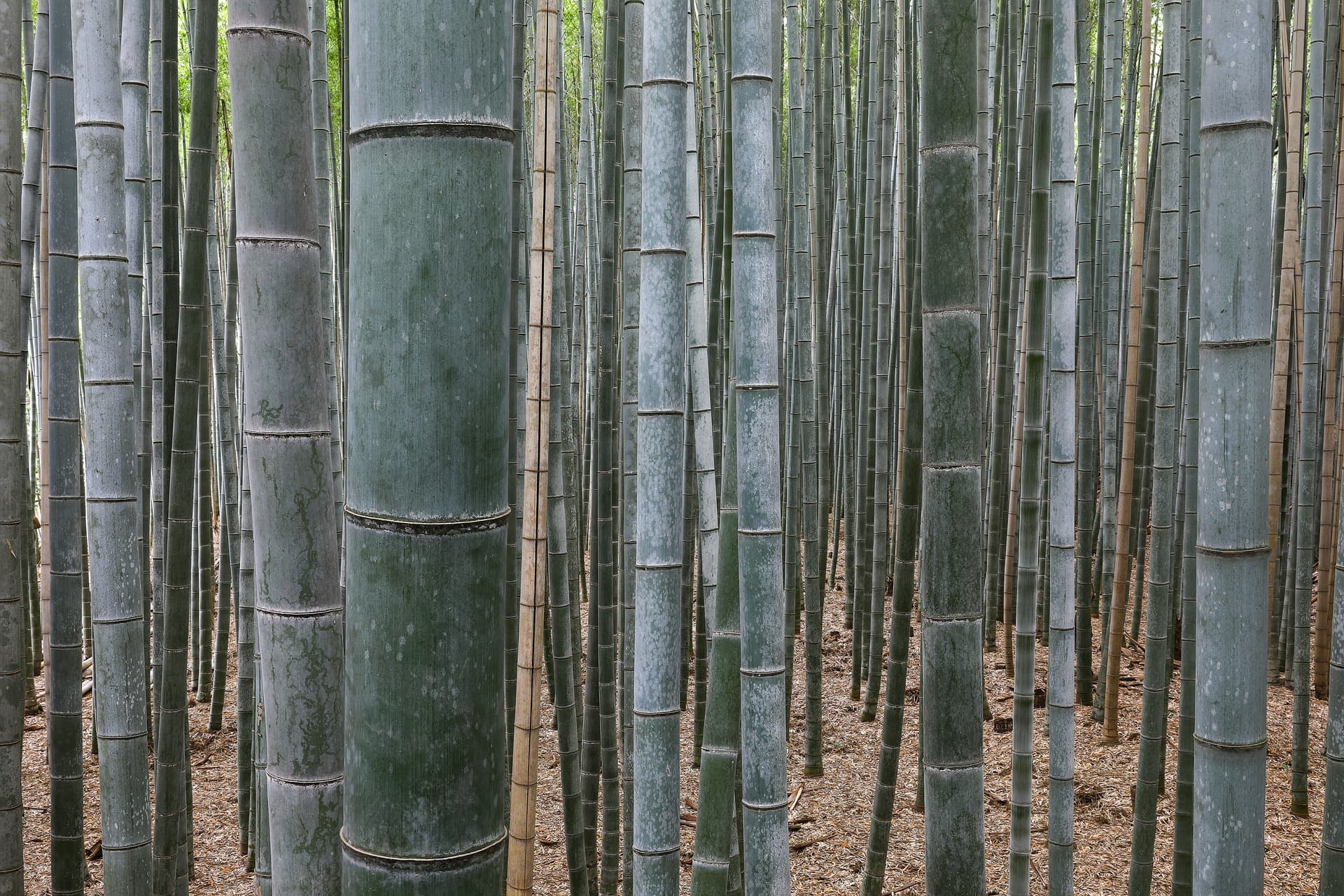
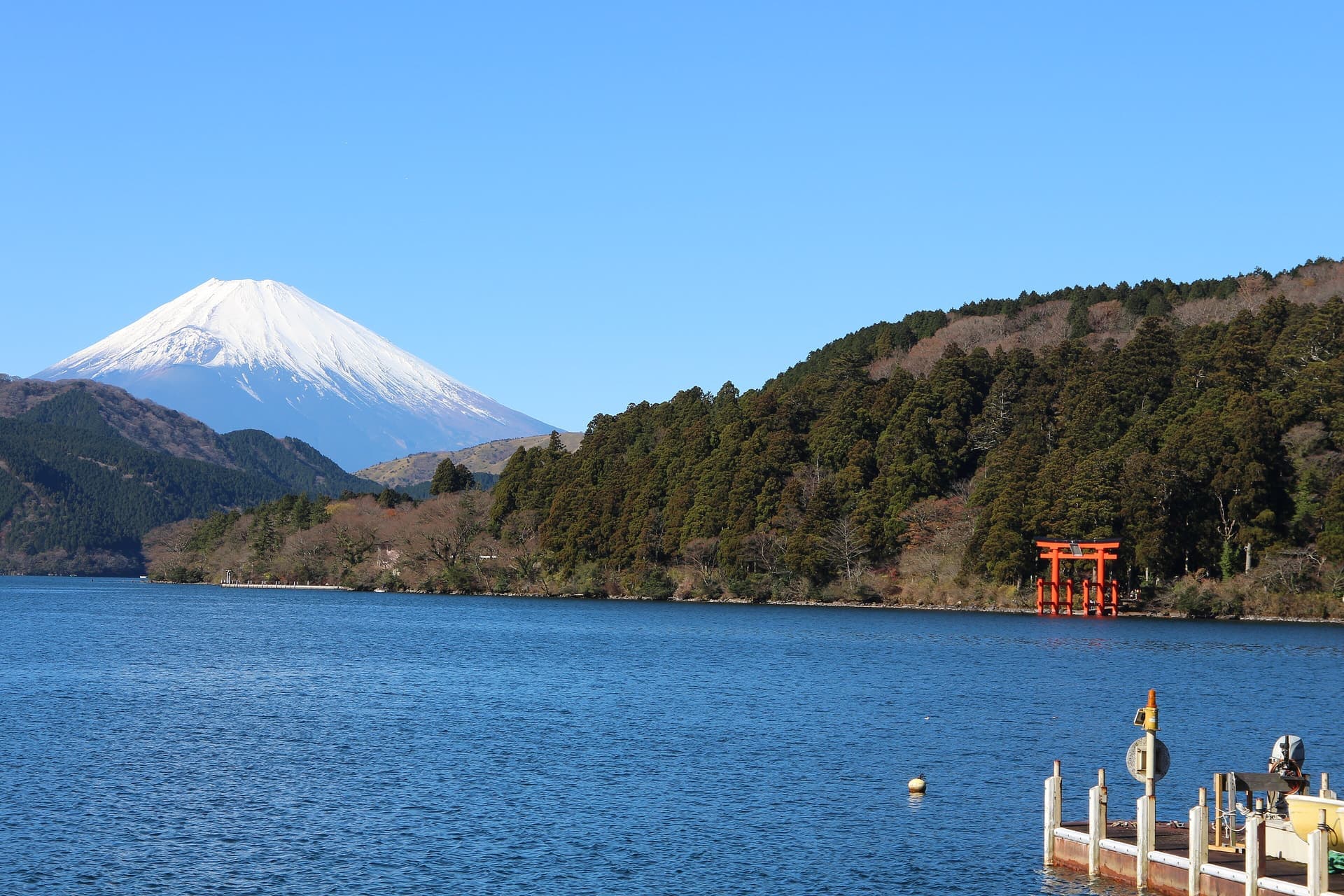
Lake Ashi in the mountains, the bamboo groves of Arashiyama at first light, and a soak in a mountain onsen.
Architecture
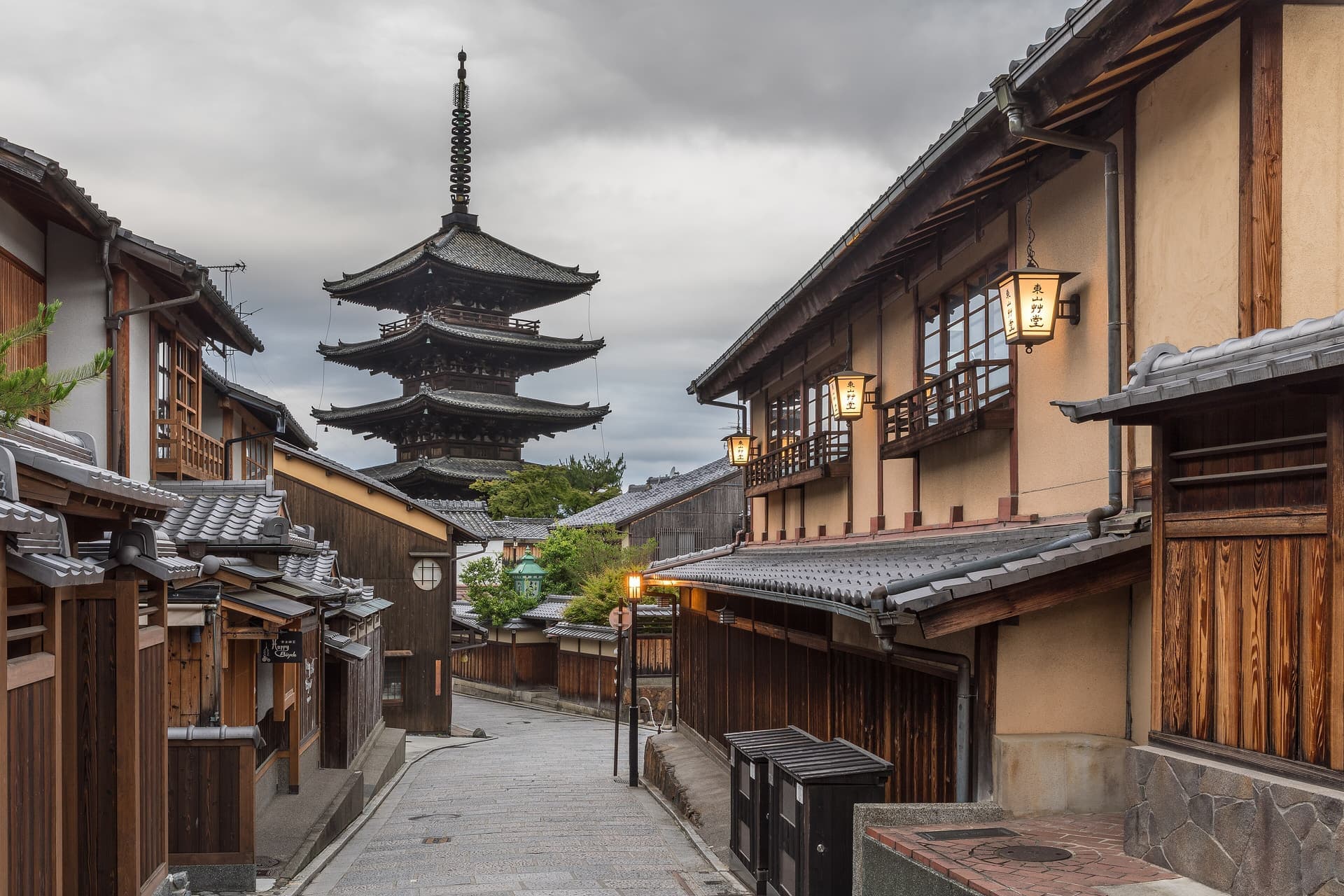
From wooden machiya townhouses to Tokyo's concrete and glass, read the city through its buildings.

05Gallery

A closer look.

  • A quiet lane in Kyoto in the early morning, with street lanterns and the five-story pagoda of Yasaka in the distance
  • Tall bamboo stalks lining a path in the Arashiyama bamboo grove, Kyoto
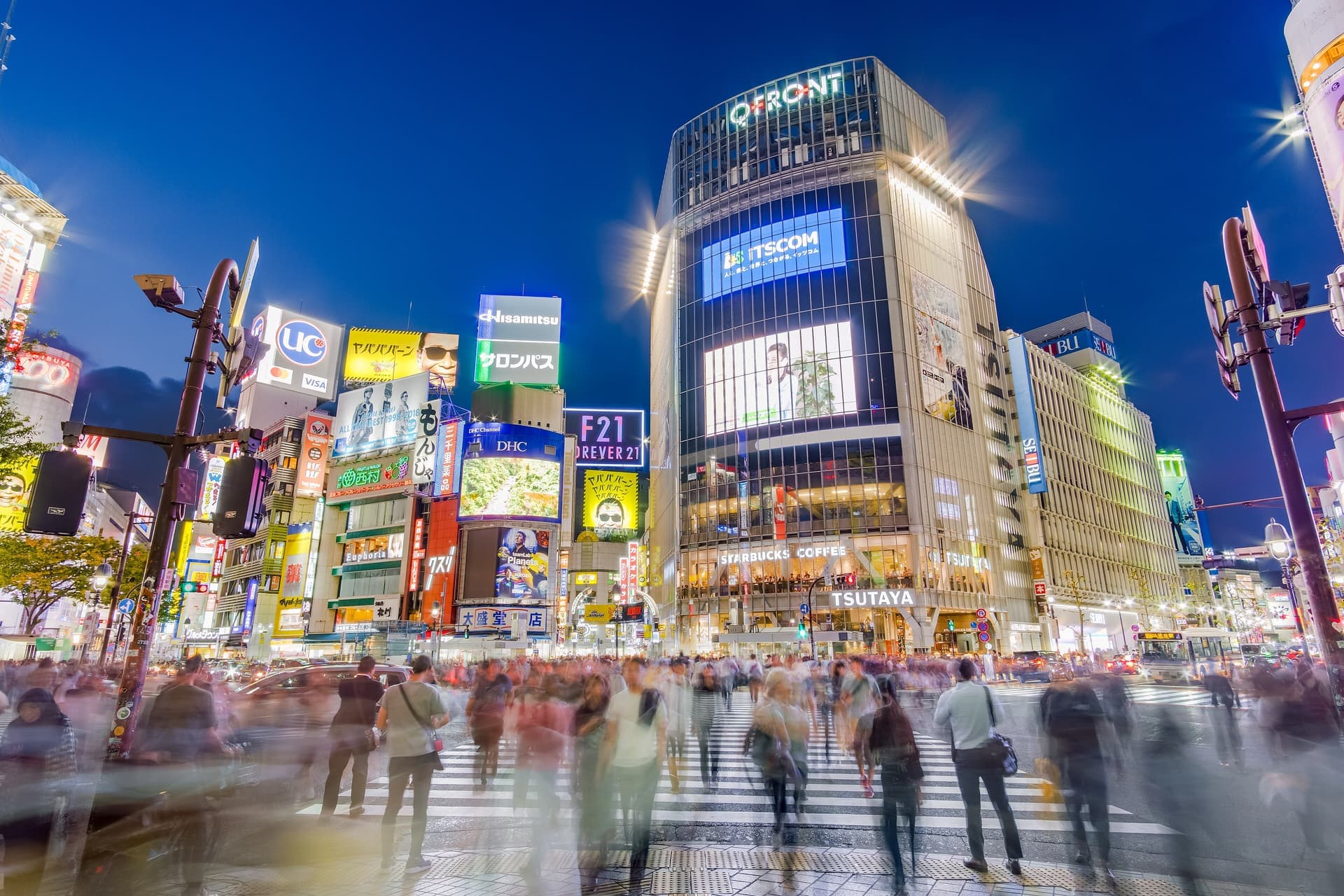
  • Pedestrians crossing the Shibuya scramble intersection in Tokyo
  • Mount Fuji rising above the still water of Lake Ashi in Hakone
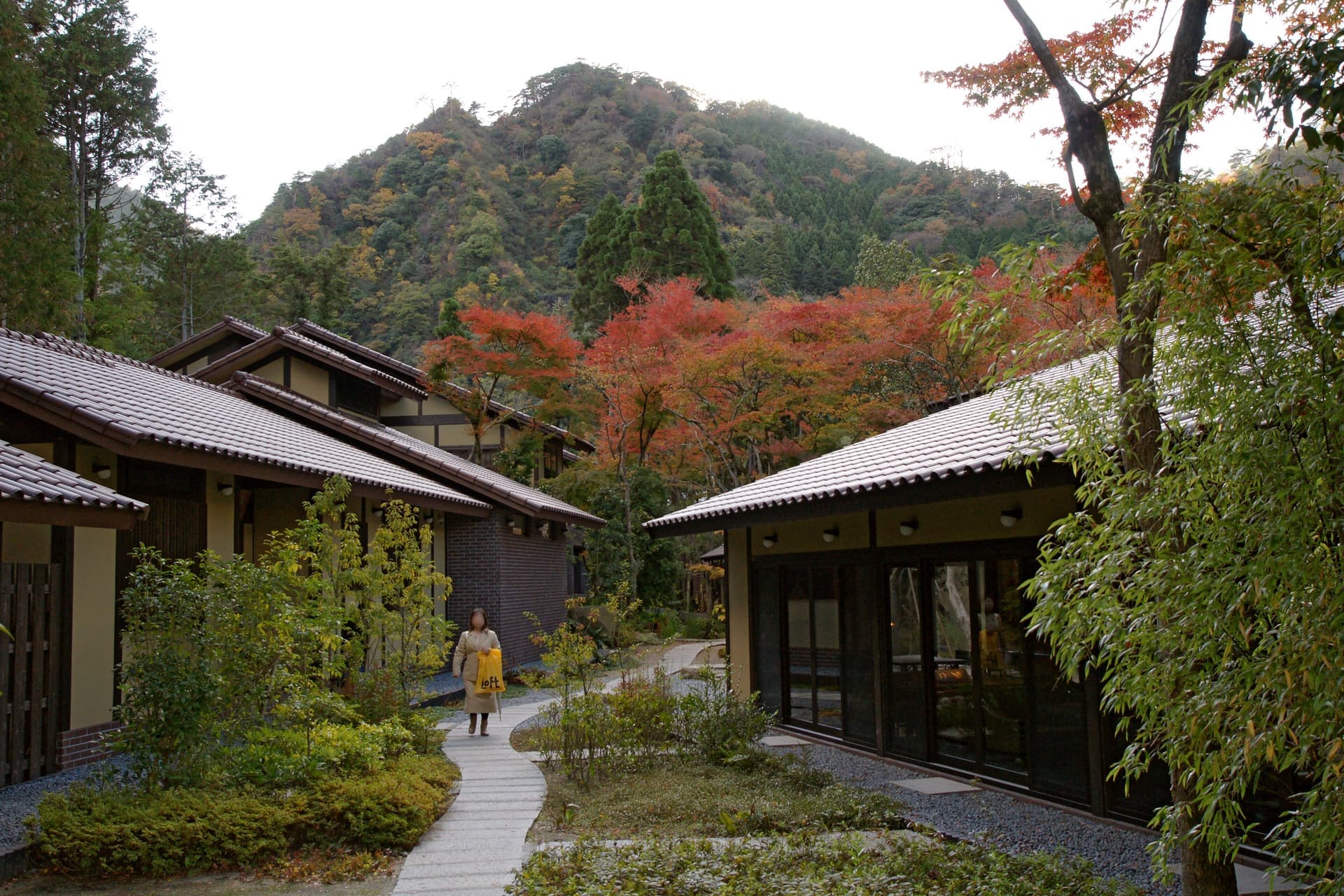
  • Traditional tiled-roof buildings and autumn maples below a wooded mountain at Arima Onsen, Japan

Ready to explore Japan?

Tell us when you would like to go and what matters to you. We will shape a Japan journey around it.

A travel request, not a booking. No payment is taken.